Birth Month Flowers: A Glimpse into Botanical Traditions
Posted on 14/08/2025
Birth Month Flowers: A Glimpse into Botanical Traditions
Birth month flowers offer a unique and colorful window into history, culture, and personal expression. Much like birthstones, these floral emblems have long carried rich symbolism and traditions--each month boasting a signature bloom that represents the season of your birth and offers special meaning. Understanding the world of botanical traditions behind these flowers introduces us to a tapestry of legends, folklore, and customs woven over centuries.
Introduction to Birth Month Flowers
The concept of assigning specific flowers to birth months can be traced back to the Roman Empire and the Victorian language of flowers, known as floriography. This system imbued different flowers with special meanings, often used to convey messages in a world where direct expressions were frowned upon. Today, these traditions have evolved, and birth month blossoms serve as meaningful gifts, personal keepsakes, and symbols of personality traits.
In this comprehensive guide, we'll explore:
- Each birth flower by month and its significance
- Historical and cultural origins of this tradition
- Modern practices and ideas for celebrating your birth month flower
The Rich Symbolism of Monthly Flowers
Every month's flower is steeped in symbolism and tradition. From vibrant January carnations to festive December poinsettias, each bloom expresses unique qualities and stories. Let's take a deeper look at the birth month flower list and the fascinating significance behind each.
January: Carnation and Snowdrop
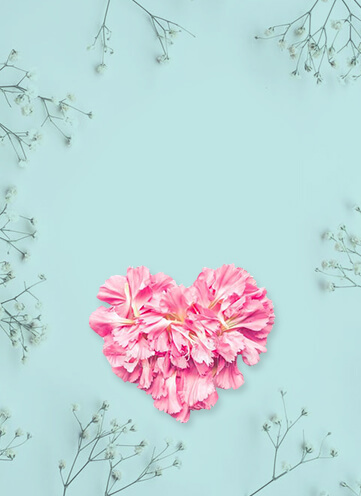
- Carnation: Known as the "flower of the gods," carnations symbolize love, fascination, and distinction. Different colors convey unique messages--pink for motherly love, red for admiration, and white for pure love or good luck.
- Snowdrop: A sign of hope and rebirth during the winter's darkness, snowdrops bring cheer and optimism as one of the year's first blooms.
February: Violet and Primrose
- Violet: Signifying loyalty, modesty, and faithfulness, violets are delicate yet enduring. Their heart-shaped leaves and sweet scent make them a favorite symbol of romantic affection.
- Primrose: Represents young love and the fresh hope of spring, giving February an air of youthful innocence.
March: Daffodil
- Daffodil: Also known as narcissus, daffodils epitomize new beginnings, creativity, and joy. They are closely associated with renewal and the coming of spring.
April: Daisy and Sweet Pea
- Daisy: A universal symbol of innocence and purity, daisies embody the simplicity of childhood and straightforwardness.
- Sweet Pea: Sweet peas offer delicate beauty and charm, symbolizing gratitude and pleasure.
May: Lily of the Valley and Hawthorn
- Lily of the Valley: Its fragrant, bell-shaped blooms represent humility, the return of happiness, and sweetness.
- Hawthorn: As a symbol of hope and protection, hawthorn blossoms mark the heart of spring and the promise of fruitful days ahead.
June: Rose and Honeysuckle
- Rose: Perhaps the most iconic flower, the rose stands for love, passion, and beauty. The variety of colors allows for nuanced meaning, from friendship (yellow) to new beginnings (white) and romantic love (red).
- Honeysuckle: Symbolizes devoted affection and the bonds of love, gracing gardens and wild landscapes during the height of summer.
July: Larkspur and Water Lily
- Larkspur: These towering spikes of color represent dignity and an open heart, echoing the warmth and generosity of summer days.
- Water Lily: A symbol of purity and enlightenment, water lilies float serenely on ponds, bringing an aura of tranquility.
August: Gladiolus and Poppy
- Gladiolus: Named after the Latin word "gladius" (sword), gladiolus flowers stand for strength of character, integrity, and remembrance.
- Poppy: Poppies embrace themes of rest, peace, and imagination. In some cultures, they are also connected to remembrance and consolation.
September: Aster and Morning Glory
- Aster: Symbolizing wisdom, patience, and elegance, asters bloom profusely as summer transitions to fall.
- Morning Glory: Known for their ephemeral beauty, morning glories symbolize affection and the fleeting nature of love.
October: Marigold and Cosmos
- Marigold: Vibrant and versatile, marigolds stand for warmth, creativity, and passion. In some cultures, such as Mexico's Day of the Dead, marigolds guide spirits with their bright hue and aroma.
- Cosmos: Embodying peace, order, and harmony, cosmos offer a gentle beauty that endures late into the year.
November: Chrysanthemum
- Chrysanthemum: Known as "mums," these flowers are linked to friendship, happiness, and well-being. In several East Asian countries, chrysanthemums are a symbol of longevity and good fortune.
December: Narcissus and Holly
- Narcissus: Reflects hope and good wishes, making it an auspicious bloom during the winter holidays. (Note: the December narcissus is typically the paperwhite type, distinct from the March daffodil narcissus).
- Holly: An evergreen that symbolizes protection and defense, holly sprigs have been used in winter celebrations since ancient times.
Historical and Cultural Origins of Birth Month Flower Traditions
The roots of the birth month flower tradition are ancient and global. In ancient Rome, flowers played a crucial role in rituals and celebrations for deities, with specific blooms dedicated to gods and goddesses by season. Medieval Europe saw the rise of assigning spiritual significance to flowers, often tying them to saints and their feast days.
However, the most influential period for birth month blossoms was the Victorian era. During the 19th century, floriography became a popular hobby in England and across Europe. Each flower, leaf, and even the arrangement of a bouquet held hidden meanings. People exchanged flowers as a silent language--birth month flowers stood out as popular gifts that acknowledged the recipient's personality and fate.
Beyond Western societies, cultures around the globe have honored flowers in their own ways:
- Japan: The art of Hanakotoba reflects deep symbolic meaning in flowers, assigning them to moments, emotions, and even months of the year.
- India: Lotus and marigold flowers play essential roles in religious ceremonies and personal celebrations.
- Native American: Tribes link particular native wildflowers to family totems, birth, and passing.
Modern Relevance: Personal and Cultural Significance
Today, birth month flowers are woven into our modern tapestry as:
- Birthday gifts: Bouquets and arrangements customized with a person's birth flower offer a thoughtful, personalized touch.
- Jewelry and artwork: Botanical illustrations, birth flower necklaces, and pins are popular ways to wear your floral emblem.
- Family traditions: Many families plant their child's birth month bloom in gardens, mirroring the growth of a loved one.
The rise of mindful living has also renewed interest in botanical symbolism, as people seek to draw meaning and intention from the natural world. Florists, artists, and gardeners alike find inspiration in the cyclical renewal of birth month flowers, integrating their timeless beauty into daily life.
More Than a Gift: Birth Month Flower Rituals
The act of selecting, giving, or planting a birth month bloom can itself be a ritual. Some suggestions for making the most of your birth flower:
- Start a birthday bouquet tradition by gifting matching flowers to close friends and family each year.
- Document your floral story: Journal or scrapbook images and memories of your birth month flower, observing how its significance grows over time.
- Create floral keepsakes such as pressed flower pendants, bookmarks, or framed art from dried birth month blooms.
The Language of Birth Flowers: Meanings and Traits
Just as astrology attributes traits to each zodiac sign, birth month flowers are believed to reflect core aspects of personality. Here's a brief guide to what each month may reveal:
- January (Carnation/Snowdrop): Affectionate, steadfast, and hopeful. Embracing new beginnings.
- February (Violet/Primrose): Faithful, creative, and appreciative of life's subtle beauty.
- March (Daffodil): Optimistic, artistic, and resilient in the face of challenge.
- April (Daisy/Sweet Pea): Cheerful, honest, and charmingly sincere.
- May (Lily of the Valley/Hawthorn): Gentle, peaceful, and protective of loved ones.
- June (Rose/Honeysuckle): Passionate, nurturing, and deeply loyal.
- July (Larkspur/Water Lily): Generous, imaginative, and spiritually attuned.
- August (Gladiolus/Poppy): Determined, dignified, and dream-driven.
- September (Aster/Morning Glory): Wise, organized, and patient.
- October (Marigold/Cosmos): Vibrant, warm-hearted, and harmonious.
- November (Chrysanthemum): Joyful, devoted, and blessed with longevity.
- December (Narcissus/Holly): Hopeful, courageous, and cheerful in all seasons.
Celebrating with Birth Month Flowers: Ideas for Every Occasion
Birth month flowers can bring unique flair to birthdays, anniversaries, weddings, and even home decor. Here are creative ways to embrace your personal birth flower year-round:
- Custom Bouquets: Ask your local florist to create arrangements focused on your birth blossom or combine with complementary flowers to suit the recipient's taste.
- Garden Planting: Cultivate a birth month flower for each family member, labeling and tracking their growth together.
- Preserved and Pressed Flowers: Use dried blooms in resin jewelry, suncatchers, or as part of scrapbook projects marking special milestones.
- Botanical Art: Decorate your space with vintage floral prints or contemporary illustrations of your birth flower.
- Personalized Gifts: Choose birth flower-inspired candles, perfumes, or soaps for meaningful, fragrant presents.
Birth Month Flowers and Sustainable Floristry
In a world increasingly focused on sustainability, choosing in-season birth month flowers is an environmentally conscious option. These blooms are often easier to source locally, reducing transport emissions and supporting community growers.
Pro tip: When selecting birth month flower arrangements, opt for organic or pesticide-free options to ensure a smaller ecological footprint.
Frequently Asked Questions
Can I have more than one birth flower?
Yes--several months have two associated flowers. The duality often reflects differing traditions or regional growing seasons. Feel free to embrace either, both, or whichever resonates most with you!
Are birth flowers the same around the world?
While the classic Western list is widely recognized, many countries or regions have their own birth month flower traditions rooted in local flora and cultural history.
How can I find my birth flower?
Refer to the list above or consult local garden centers and florists, as flower availability may differ by climate and region.
Conclusion: Embracing the Tradition of Birth Month Flowers
The tradition of birth month flowers is a timeless celebration of human connection to nature's beauty and symbolism. Whether you're giving, growing, or simply admiring your birth month bloom, you're partaking in a botanical tradition that bridges generations and cultures.
As you explore your own floral heritage, remember that every flower tells a story--one that's uniquely yours.
Let your birth month flowers inspire you to live with meaning, beauty, and a deeper appreciation for the rhythms of nature!
Latest Posts
Preserve the Beauty of Your Blooms with These 3 Easy Methods
Garden Glory: Ensuring Your Hydrangeas Thrive
Birth Month Flowers: A Glimpse into Botanical Traditions